Peru accelerates the unlocking of renewables projects: the keys to their development, financing and acquisition
Experts from ProInversión, Garrigues and G-advisory joined leaders in the energy sector to analyze the regulatory and financial challenges with a view to boosting the energy transition in 2026
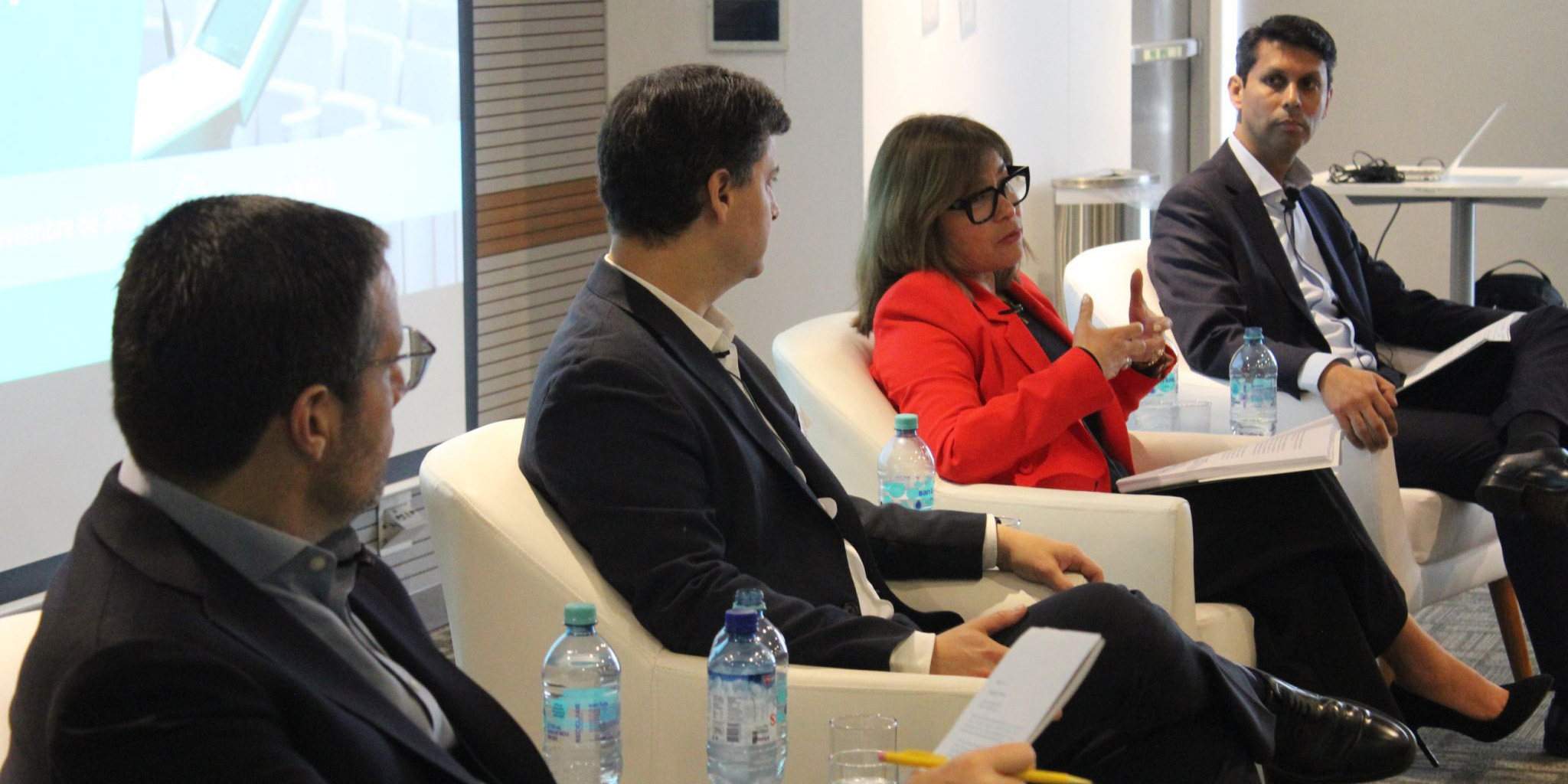
On November 20, Garrigues' offices in Lima hosted an important debate on the future of renewable energies in Peru. Under the title "Unlocking renewables projects: development, bankability and acquisition", the event brought together ProInversión, partners from Garrigues and G-advisory, and experts from the sector to address the factors required to speed up the maturation, financing and purchase and sale of projects.
A country at a turning point
The opening session was led by Luis del Carpio, executive director of ProInversión, who stressed that Peru is at a decisive moment in relation to the massification of investment in clean energy. "ProInversión no longer just promotes PPPs and projects in exchange for tax benefits; it also provides support throughout the complete cycle of maturation of private projects, through projects in assets," he said. As he explained, this role is key to overcoming barriers that have slowed down investments in energy, such as easements and access to land.
Early-stage risks and transactions
For his part, Sergio Amiel, Partner in the Corporate and Commercial Law area at Garrigues, highlighted the increase in M&A operations in renewables projects at the early stages. "The risks associated with permits, construction and financing are very different from those associated with an operational asset. A successful purchase and sale transaction depends on a precise allocation of risks between buyer and seller, especially in markets such as Peru in which there is no contractual standardization", he said.
Regulatory barriers and military land
The regulatory analysis was provided by Giancarlo Vignolo, Senior Associate in the Public Law (Regulatory) practice area at Garrigues, who drew attention to a critical barrier: the development of projects on land pertaining to the Armed Forces. "Following a change of criterion, the MINEM (Energy and Mining Ministry) now requires a written authorization from the Ministry of Defense before processing a forced easement, a requirement not provided for in the current electricity regulations," he said. As a solution, he recommended negotiating contractual rights in rem, lease agreements or assignments of use with the Armed Forces, so as not to paralyze projects and to facilitate financing.
Keys to bankability
In the second panel discussion, Diego Harman, Partner in the Corporate and Commercial Law practice area at Garrigues, focused on bankability. "It depends on two factors: the strength of the sponsor and the credit quality of the buyer under the PPA. In Peru, there is no standardization of financial PPAs and they are not public, meaning that a thorough due diligence process is required to ensure their bankability," he explained. In addition, he highlighted the usefulness of presenting to the MINEM a guaranteed execution schedule accompanied by a letter of guarantee, which makes it possible to delay the Commercial Start-up by up to 24 months, which is a tool to which international finance providers attach much value.
Arbitration and management of risks
Melissa Núñez, Litigation and Arbitration partner at Garrigues, drew attention to the increase in arbitration procedures in the energy sector. "The early management of regulatory risks and permits is decisive. The Mamacocha Case is a reminder that the financial closure risk is borne by the successful bidder if it fails to obtain the necessary permits," she said. Ms. Núñez stressed that the greatest risks – engineering failures, logistics, price volatility – are concentrated in the construction stage, and she therefore recommended the drafting of arbitration material on an ad hoc basis and the preparation of evidence in advance.
Storage: the next frontier
Finally, Claudio Tabilo, Counsel at G-advisory, projected that energy storage will be decisive in 2026. "Chile is an example: the reduction of battery costs and clear regulatory signals have made these projects viable. Peru must consider whether the numbers add up and whether there are adequate incentives for storage to be eligible for funding and bankable," he concluded.
The experts agreed that the unlocking of renewable energy projects requires a comprehensive approach that combines robust PPAs, experienced sponsors, clear mechanisms whereby the commercial startup deadline can be extended, early management of disputes and regulatory frameworks that allow for the financing of storage. Garrigues reaffirmed its commitment to support its clients in the structuring and execution of projects that promote Peru's energy transition.
Contacts